GREENHOUSE
A “plant nursery” of sound: open processes and situated listening
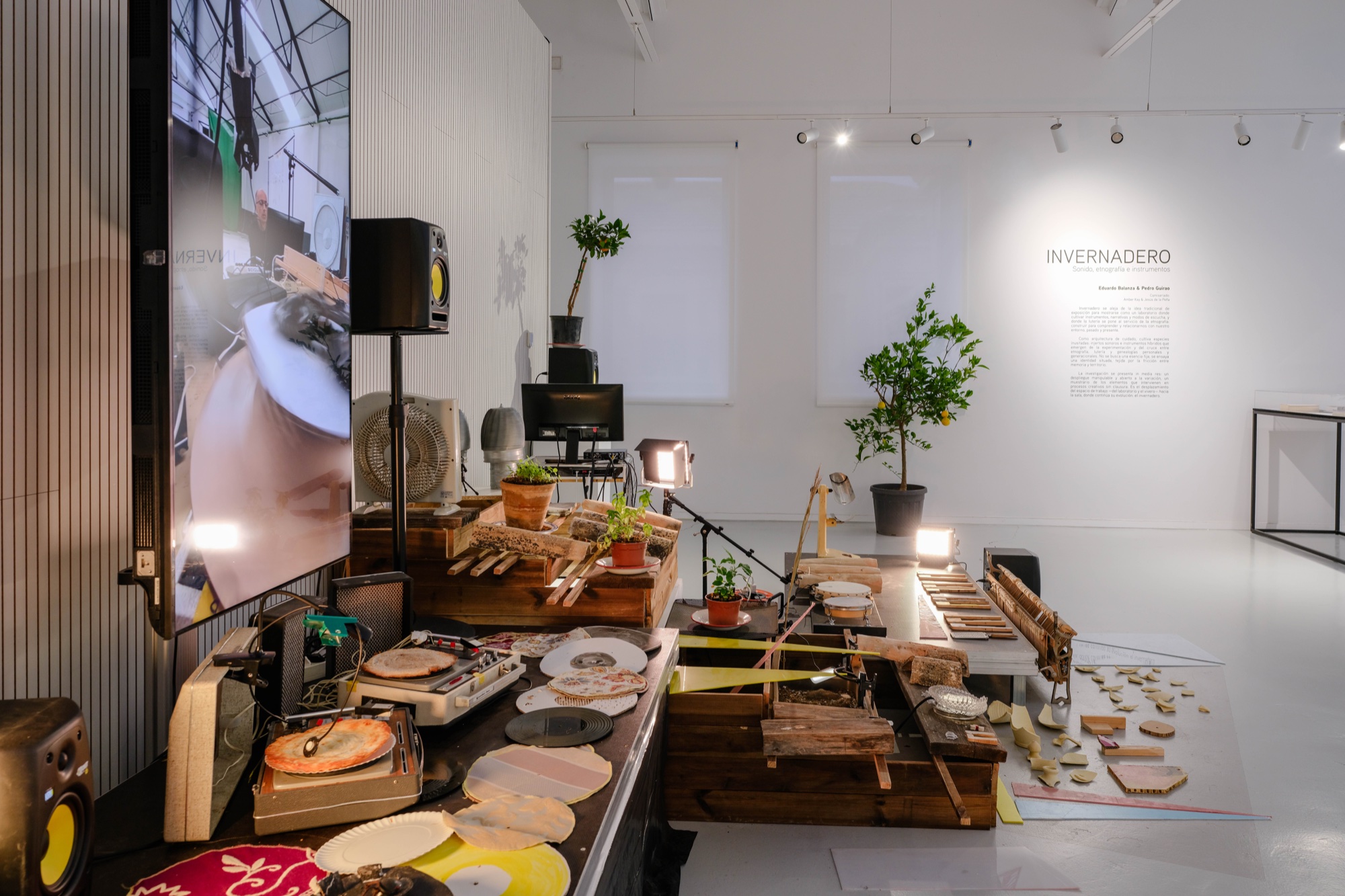
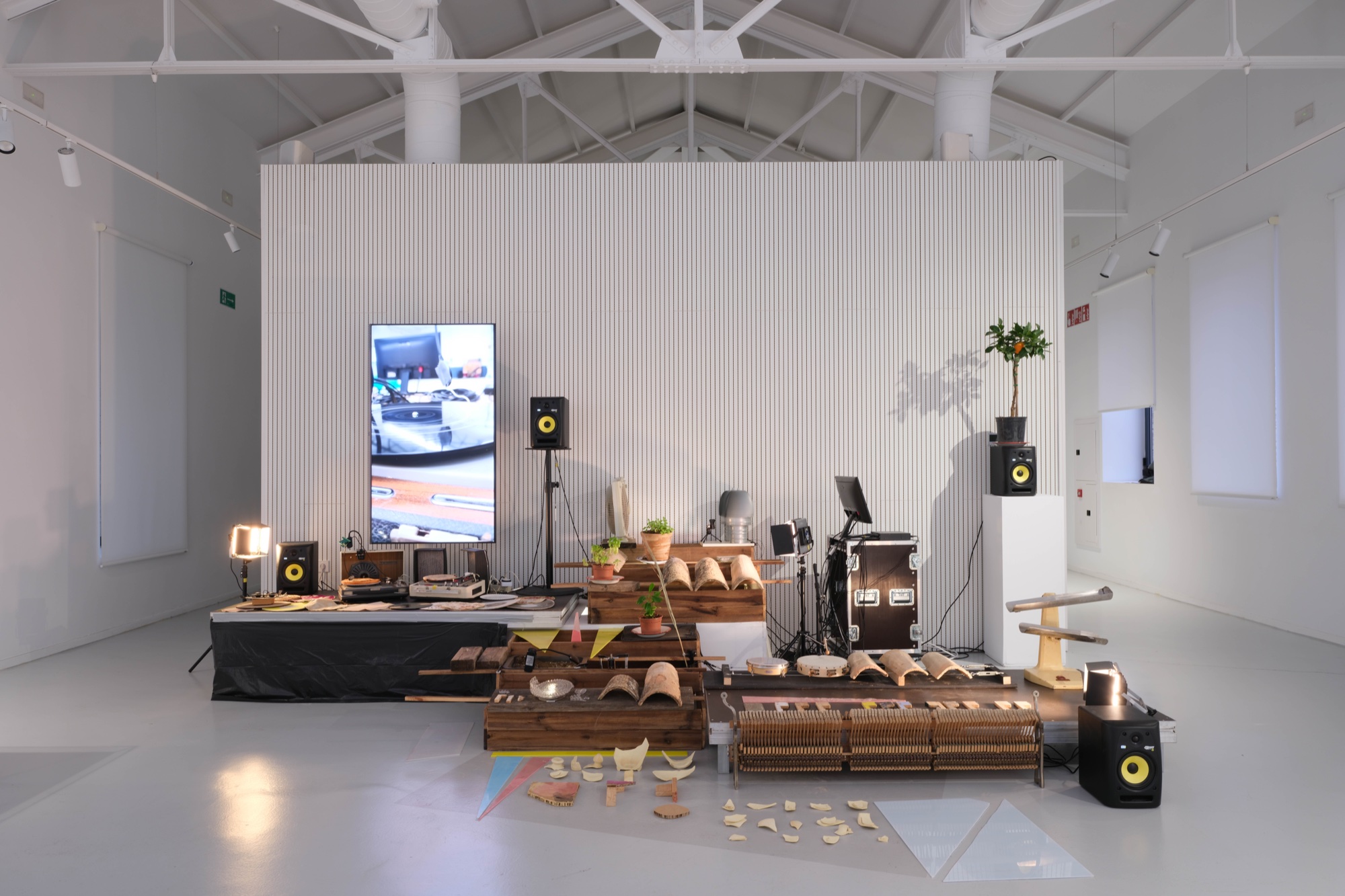
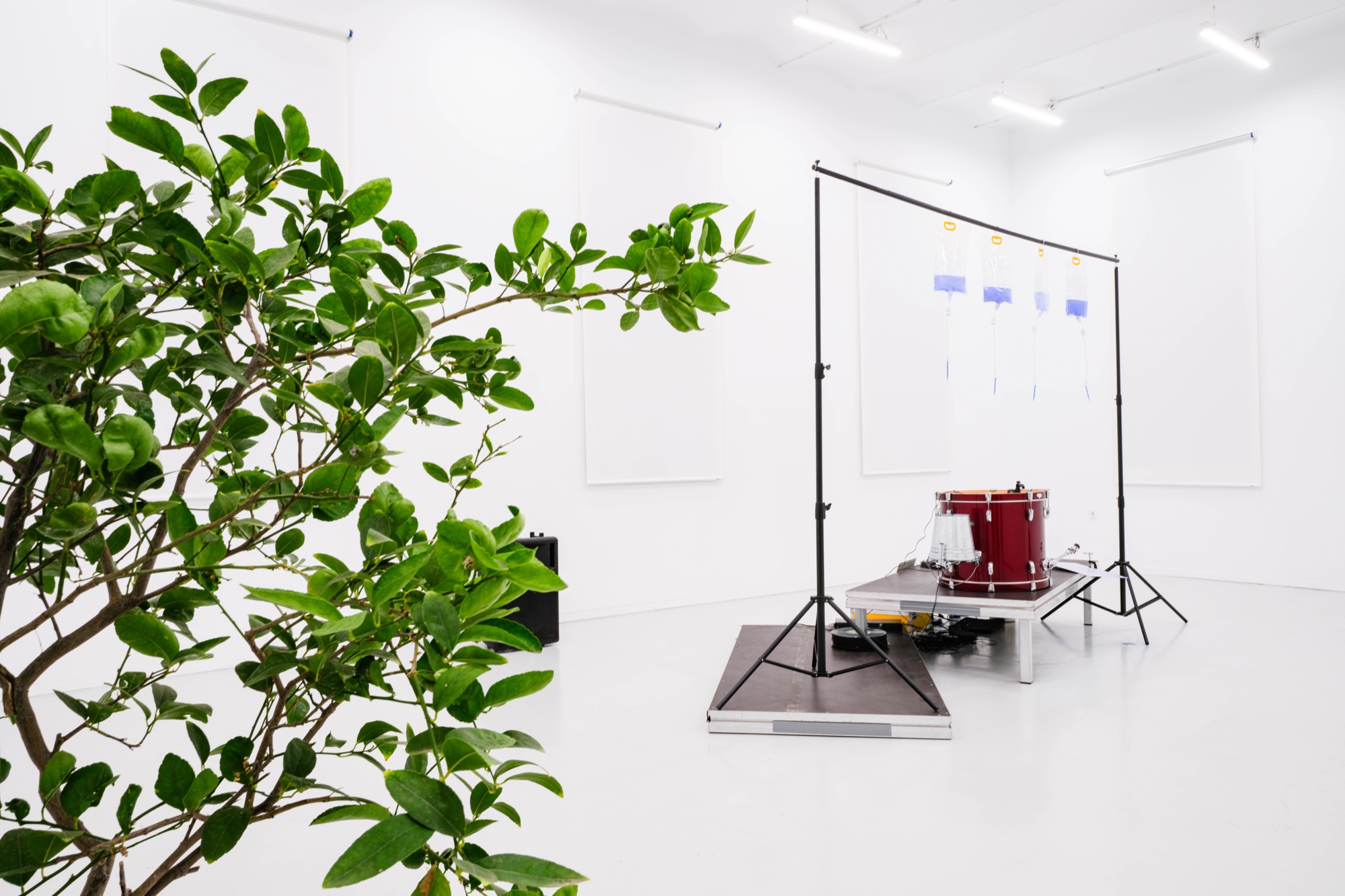
Greenhouse moves away from the traditional idea of an installation or exhibition to present itself as a laboratory where instruments, narratives, and ways of listening are cultivated. Instrument making ceases to be an end in itself and is placed at the service of ethnography to construct and translate our soundscape.
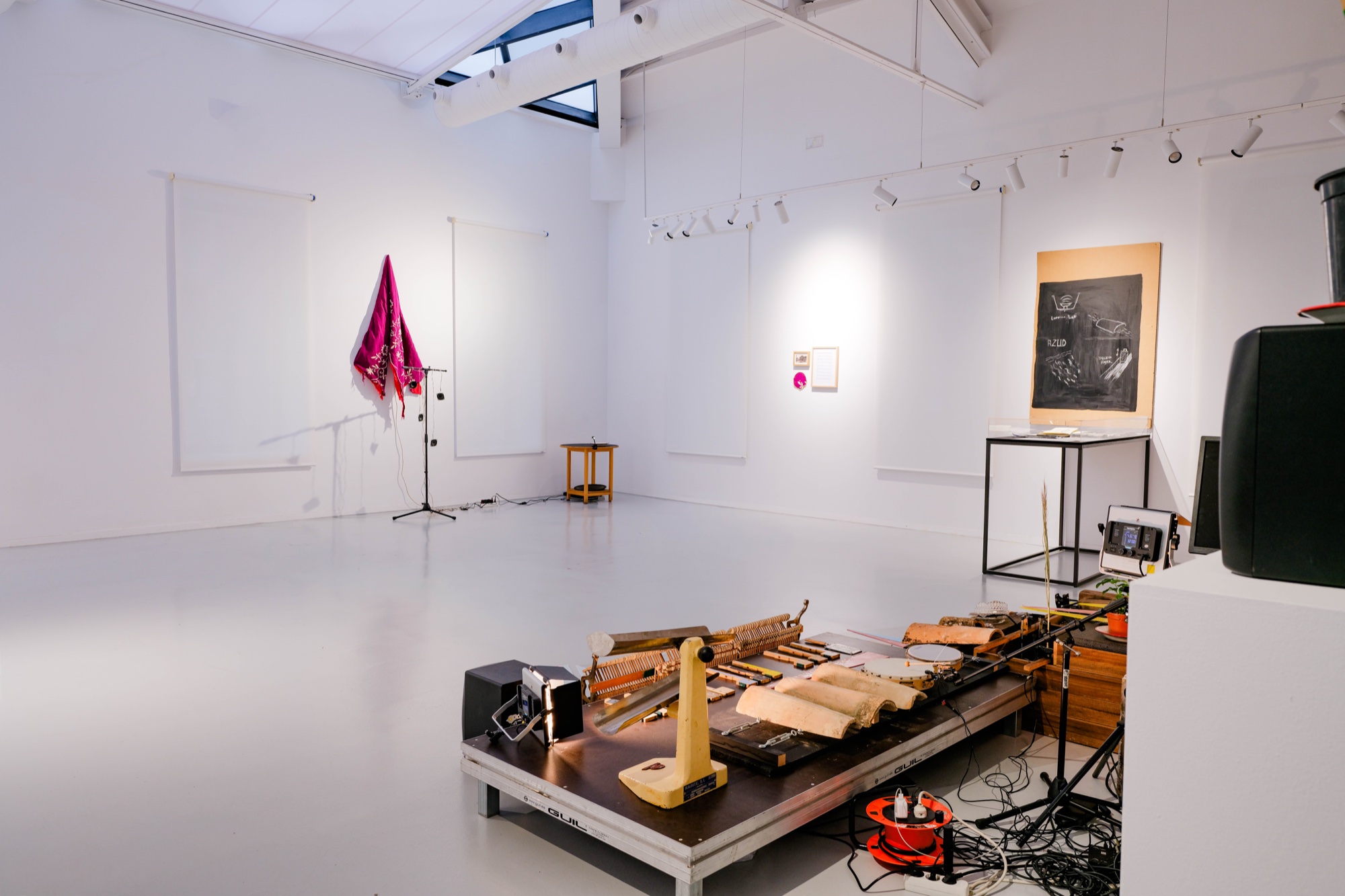
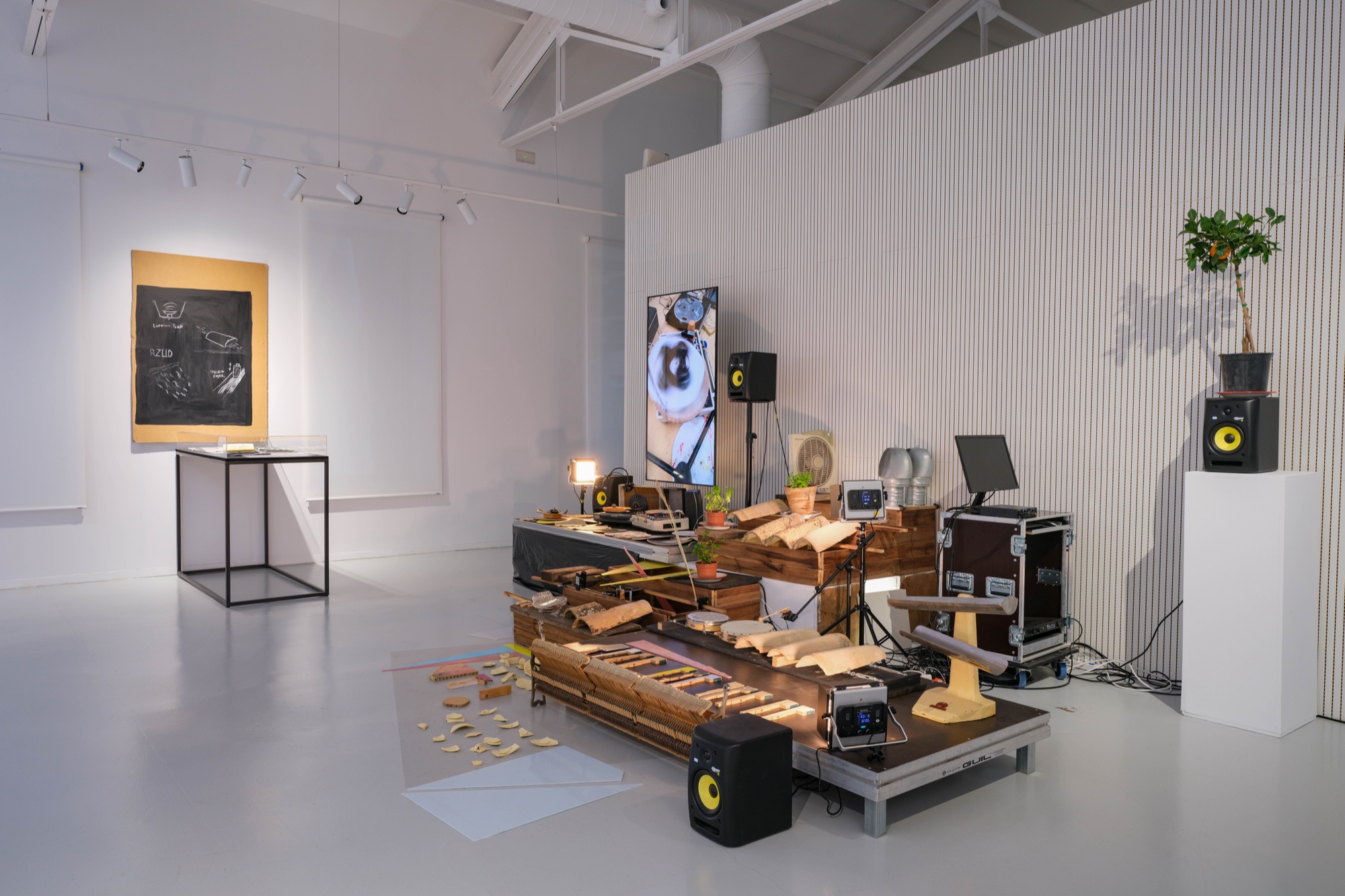
Greenhouse is an architecture of care that allows us to work with factors and elements such as temperature, humidity, and time—three variables that activate sound devices, electronics, and archives. The pieces are not presented as closed objects, but as ecosystems where instrument, performer, and landscape blur their boundaries, producing an acoustic geography in which the intangible becomes audible.
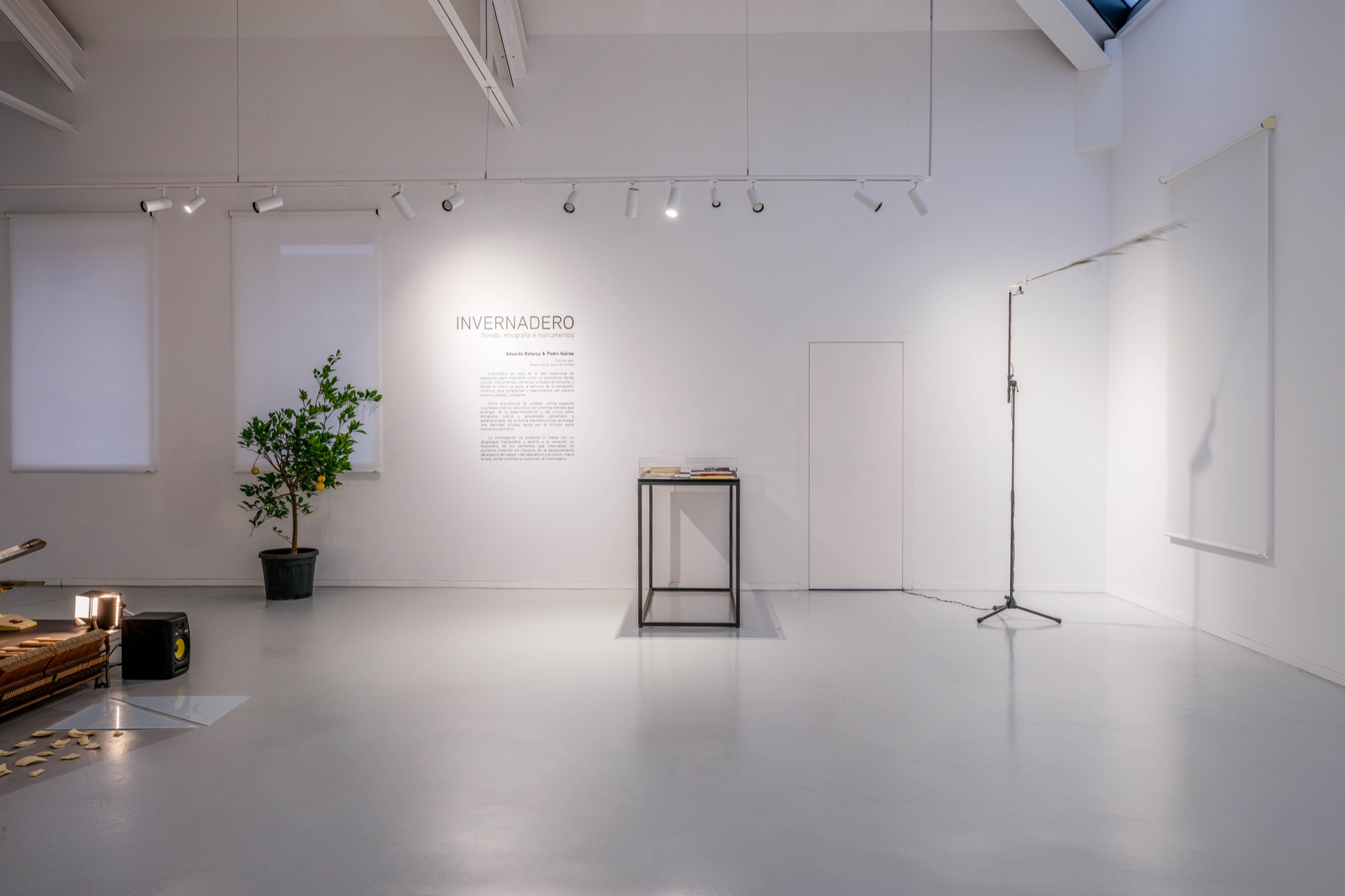
From inside the greenhouse, we focus our gaze on the Huerta as a network of hydraulic devices, major irrigation channels, and drainage ditches. “Invernadero” aims to capture our living heritage, not to immobilize it in a static display, but to provide it with a space in which to adopt new sounds and integrate technologies, this being one of the great potentials of intangible heritage. The greenhouse does not only house pieces: it is an architectural instrument that modulates listening conditions, thus the room is simultaneously an archive, a studio, and a stage in which the workspace becomes a work of art.
The project draws on visits to the region, conversations, archives, and localized listening, establishing a set of relationships that incorporates not closed objects, but relationships and procedures that continue to be activated through the audience. The work extends beyond the exhibition space and maintains links with local trades, memories, and agents, proposing a highly diverse geography of creation.
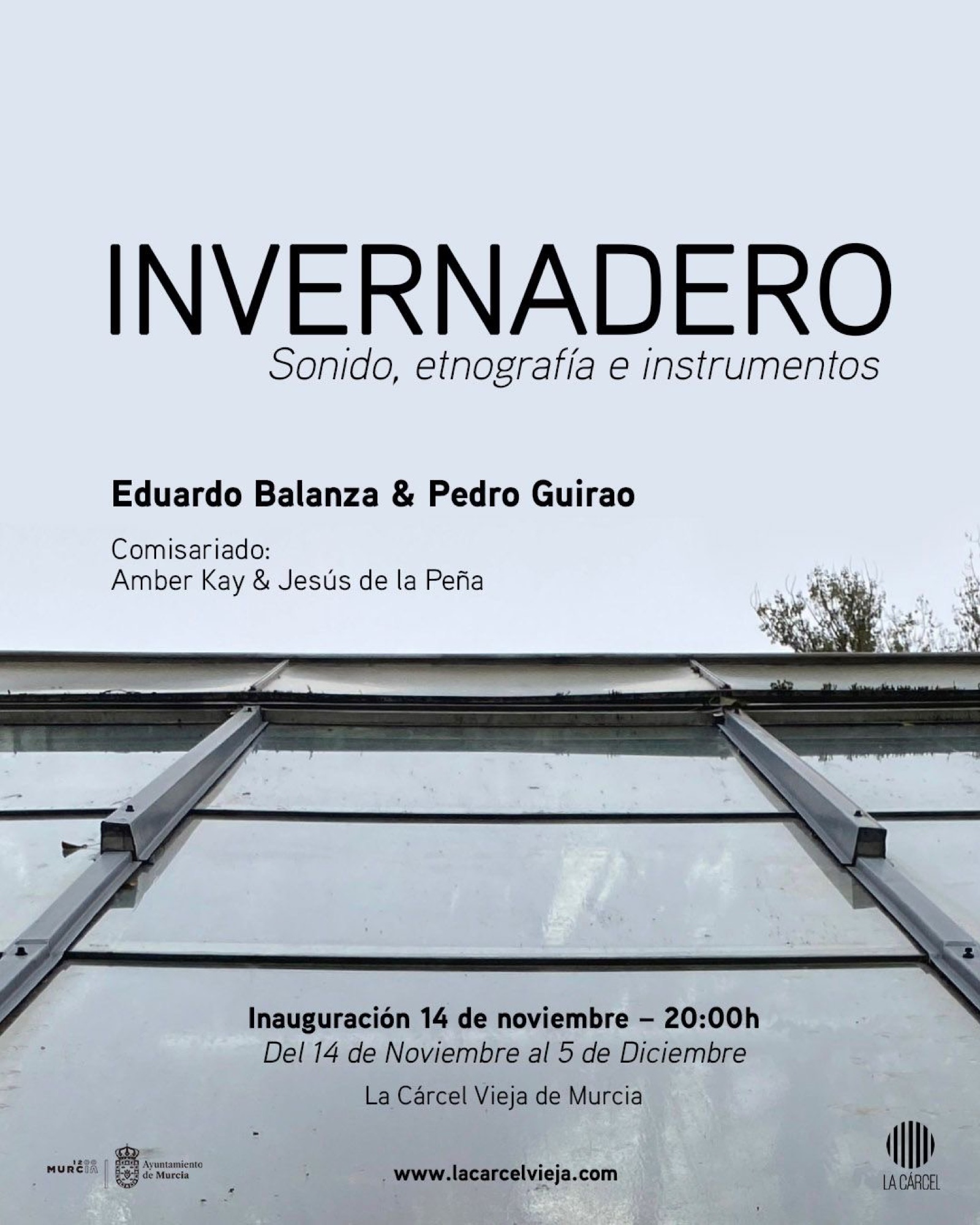
Invernadero
Un vivero de lo sonoro: procesos abiertos y escucha situada
Invernadero, se aleja de la idea tradicional de instalación o exposición para mostrarse como un laboratorio donde cultivar instrumentos, narrativas y modos de escucha. La lutería, deja de ser un fin en sí mismo y se pone al servicio de la etnografía para construir y traducir nuestro paisaje sonoro.
Invernadero es una arquitectura de cuidados que nos permite trabajar con factores y elementos como temperatura, humedad y tiempo; tres variables que activan dispositivos sonoros, electrónica y archivo. Las piezas no se presentan como objetos cerrados, sino como ecosistemas donde instrumento, intérprete y paisaje, desdibujan sus límites produciendo una geografía acústica en la que lo intangible se torna audible.
El proyecto se alimenta de visitas al territorio, conversaciones, archivos y escuchas situadas, estableciendo un juego de relaciones que incorpora no objetos cerrados, sino relaciones y procedimientos que continúan activándose a través del público. La obra desborda el recinto expositivo y mantiene vínculos con oficios, memorias y agentes locales, proponiendo una geografía de creación muy diversa.
Fiel a su nombre, este invernadero cultiva especies inusitadas: injertos sonoros e instrumentos híbridos que emergen de la experimentación y del cruce entre etnografía, lutería y genealogías personales y generacionales. No se persigue una esencia fija, sino que se ensaya una identidad situada y consciente de su contemporaneidad, tejida por la fricción entre técnicas, memorias y territorios.