AZARBE 25
Sound instruments; ethnography, landscape, and experimental lutherie.
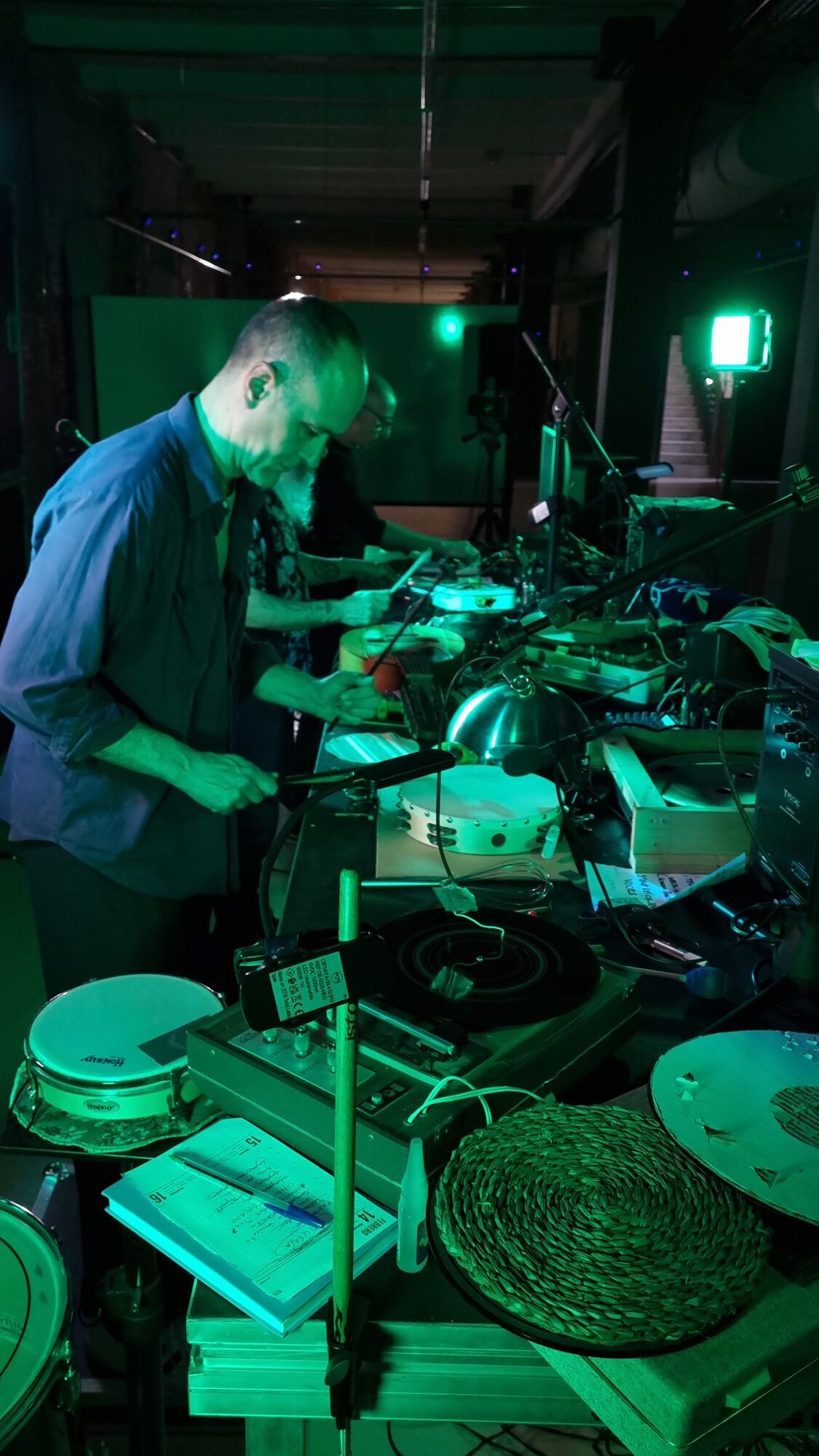
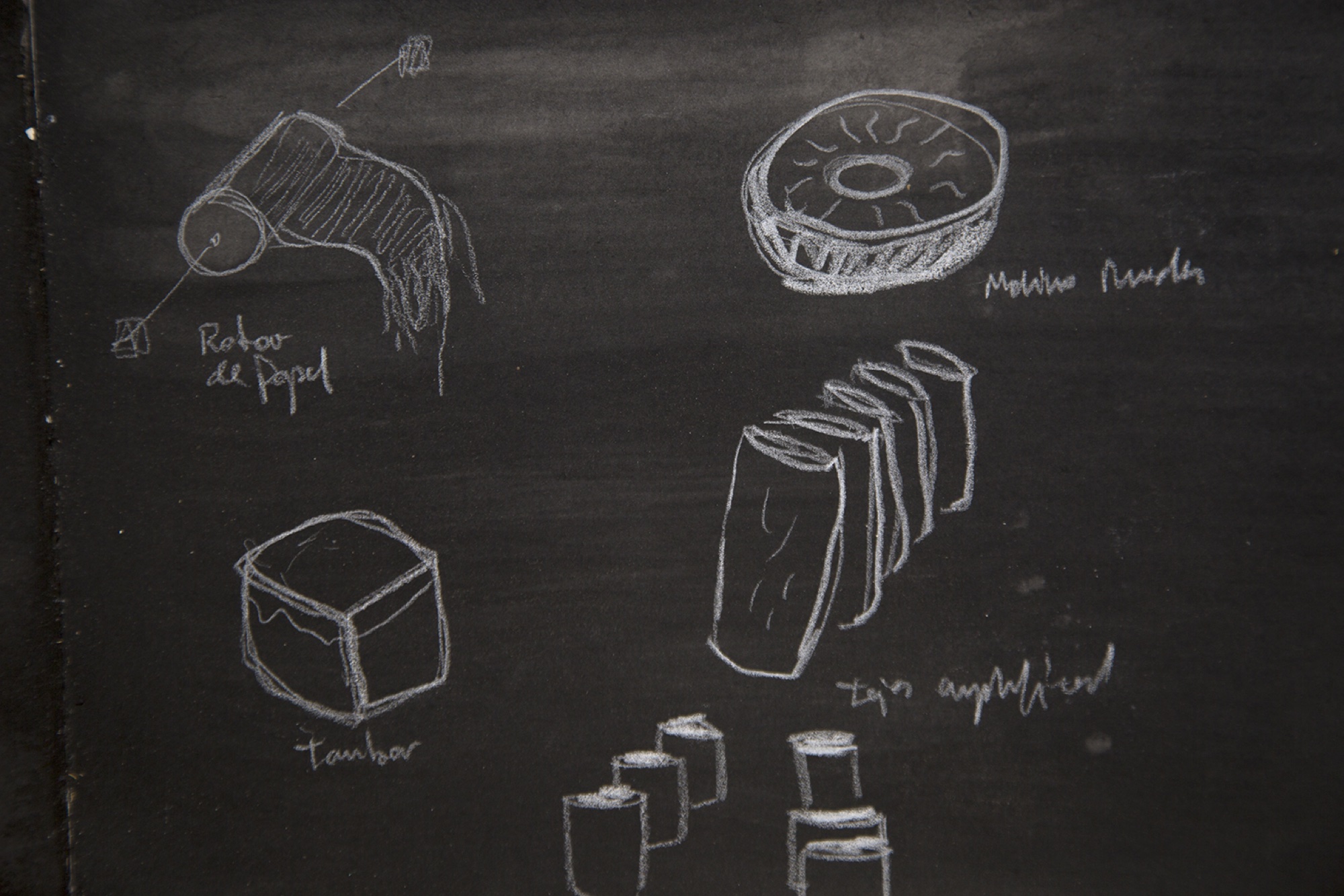
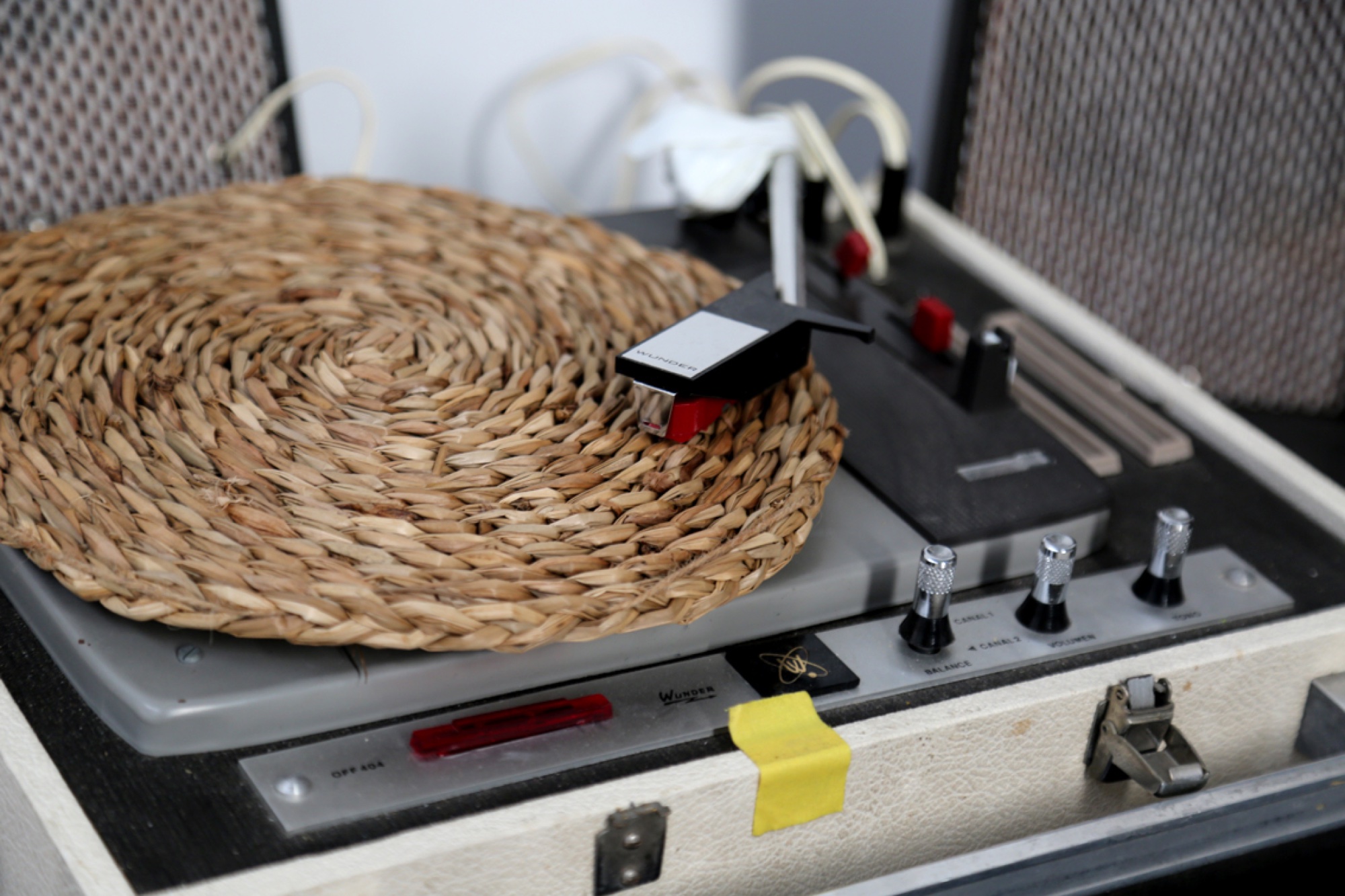
The project is related to the construction of sound instruments, delving into the traditions that link technological materiality with ethnography, with a special emphasis on the dialogue with the landscape.
In a world where digitization has radically transformed our relationship with sound, the artisanal construction of instruments appears as an act of resistance and a vindication of identity. Far from a nostalgic stance, this practice is articulated through technology, generating a new relationship between machines, sound sculptures, landscape, and community. Experimental lutherie is an act of mediation between human beings and their environment. It is not only technical ingenuity that shapes these artifacts, but also the need to interpret, translate, and amplify the sound of the world around us.
Sound instruments seek to be much more than functional objects. Bruno Latour in Reassembling the Social (2005): a “mediating artifact” is a device that produces connections between heterogeneous actors—community, artists, craftmen, technology, and historians—giving them form. Their materiality embodies the tensions and powers of the encounter between tradition and technology, while their sonority activates a space for listening, where local memory and machine intertwine. This idea, taken from Latour, is the axis that shapes instruments that also constitute a series of political artifacts, insofar as they raise questions about the role of technology in the construction of collective identity.


Instrumentos sonoros; etnografía, paisaje y luthería experimental.
Eduardo Balanza
El proyecto está relacionado con la construcción de instrumentos sonoros, profundizando en las tradiciones que vinculan materialidad tecnológica con etnografía, resaltando especialmente el diálogo con el paisaje.
En un mundo donde la digitalización ha transformado radicalmente la relación con el sonido, la construcción artesanal de instrumentos aparece como un acto de resistencia y reivindicación de la identidad. Lejos de una postura nostálgica esta práctica se articula a través de la tecnología, generando una nueva relación entre máquinas, esculturas sonoras, paisaje y comunidad. La luthería experimental es un acto de mediación entre el ser humano y su entorno, no es sólo el ingenio técnico el que da forma a estos artefactos, sino la necesidad de interpretar, traducir y amplificar la sonoridad del mundo que lo rodea.
Los instrumentos sonoros buscan ser mucho más que objetos funcionales; en palabras de Bruno Latour en Reassembling the Social (2005): un “artefacto mediador” es un dispositivo que produce conexiones entre actores heterogéneos —comunidad, artistas, artesanos, tecnología e historiadores— dándoles forma. Su materialidad encarna las tensiones y las potencias del encuentro entre tradición y tecnología, mientras que su sonoridad activa un espacio de escucha, donde memoria local y máquina se entrelazan. Esta idea tomada de Latour, es el eje que da forma a instrumentos que constituyen también una serie de artefactos políticos, en tanto que plantean preguntas sobre el papel de la tecnología en la construcción de la identidad colectiva.